
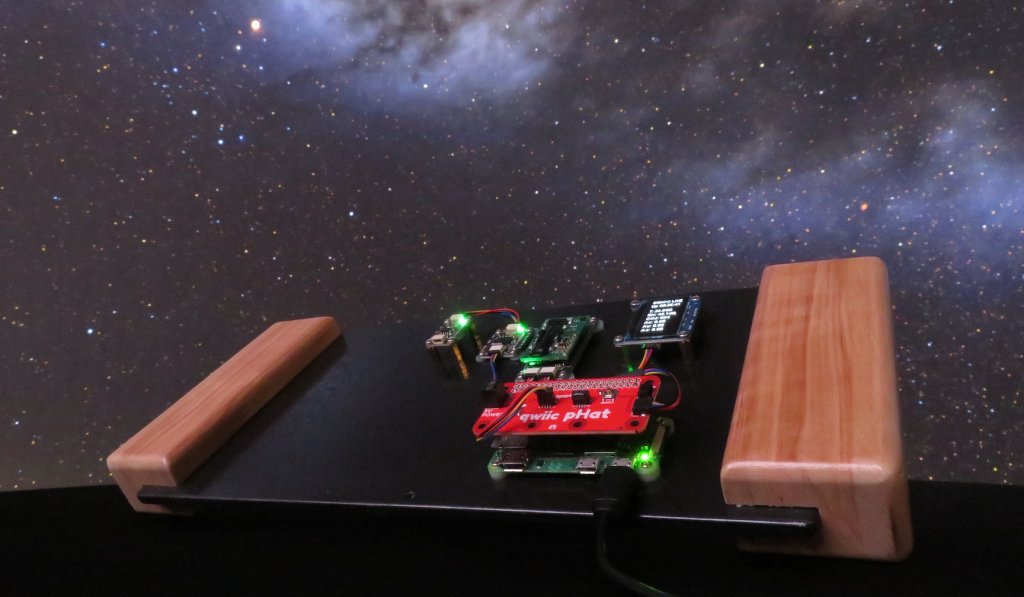
SIMOC Live
SIMOC Live is an open source code base that supports real-time capture of data from a variety of air, water, light, and motion sensors as coupled with the Raspberry Pi or Raspberry Pi Zero computer boards. The SIMOC Live boards can run as stand-alone units, capturing all data locally and providing a hot-spot and web interface to review, manage, and download the data; or as part of an ad hoc, mesh network in which all units share data with all other units, automatically configure to a redundant, fault-tolerant array, and report to a server (Raspberry Pi proper or any computer running the SIMOC Live server code).
SIMOC Live was developed in concert with the construction of SAM, a Space Analog for the Moon and Mars at the world-renowned University of Arizona Biosphere 2. SAM was born of a research project in plant biomass accumulation to generate a new dataset for SIMOC. When SIMOC inventor and project lead Kai Staats lived and worked onsite at Biosphere 2 in early 2019, he recognized an opportunity to bring SIMOC to life—to build a hermetically sealed, pressurized Mars habitat analog and thereby validate the SIMOC model in an unfolding series of experiments in bioregeneration studies.
Now, SIMOC and SAM are tightly integrated. SIMOC Live provides SAM with real-time monitoring of critical atmospheric components (CO2, RH, temp, pressure, and VOCs) and in turn, SIMOC benefits from model validation through real-world data acquisition and training. SIMOC Live is readily integrated with Adafruit and Vernier brand sensors in a local, real-time research environment.
Learn how middle school teacher Gretchen Hollingsworth applied an early prototype of SIMOC Live in her classroom.
Learn about CO2 analysis and relative humidity analysis with SIMOC Live at SAM, and a global network of SIMOC Live sensors for the World’s Biggest Analog.
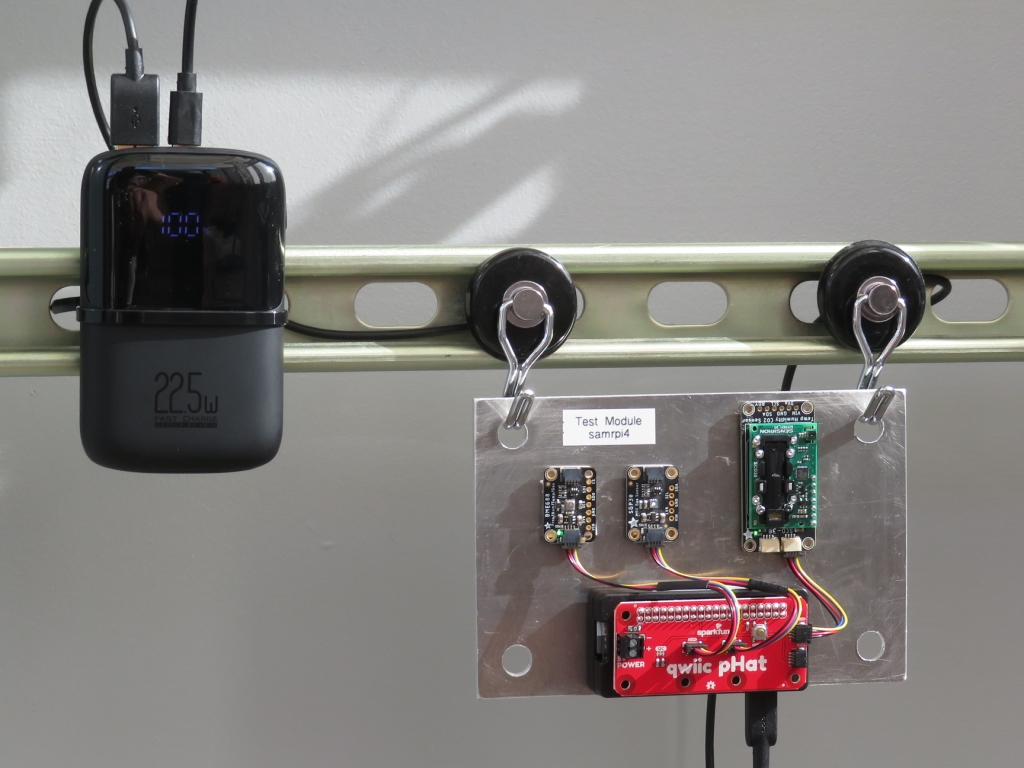
Build your own SIMOC Live sensor array
SIMOC Live is fully open source and can be downloaded from github for local installation on your laptop or desktop computer.
The sensors are available from Adafruit, with the following as an example of those we have employed:
-
- Raspberry Pi Zero 2W with Header: PID 6008
- SparkFun Qwiic pHAT v2.0 for Raspberry Pi: PID 5142
- Adafruit BME688 – Temperature, Humidity, Pressure and Gas Sensor: PID 5046
- Adafruit SCD-30 – NDIR CO2 Temperature and Humidity Sensor: PID 4867
- Adafruit SGP30 Air Quality Sensor Breakout – VOC and eCO2: PID 3709
- STEMMA QT / Qwiic JST SH 4-Pin Cable* – 50mm PID: 4399
- Also needed are a MicroSD card, Micro USB charger and cable
* The Qwiic cables may vary in length depending on how you arrange your sensors, in close proximity to the Raspberry Pi Zero, or at a distance. You’ll need one cable for each sensor.
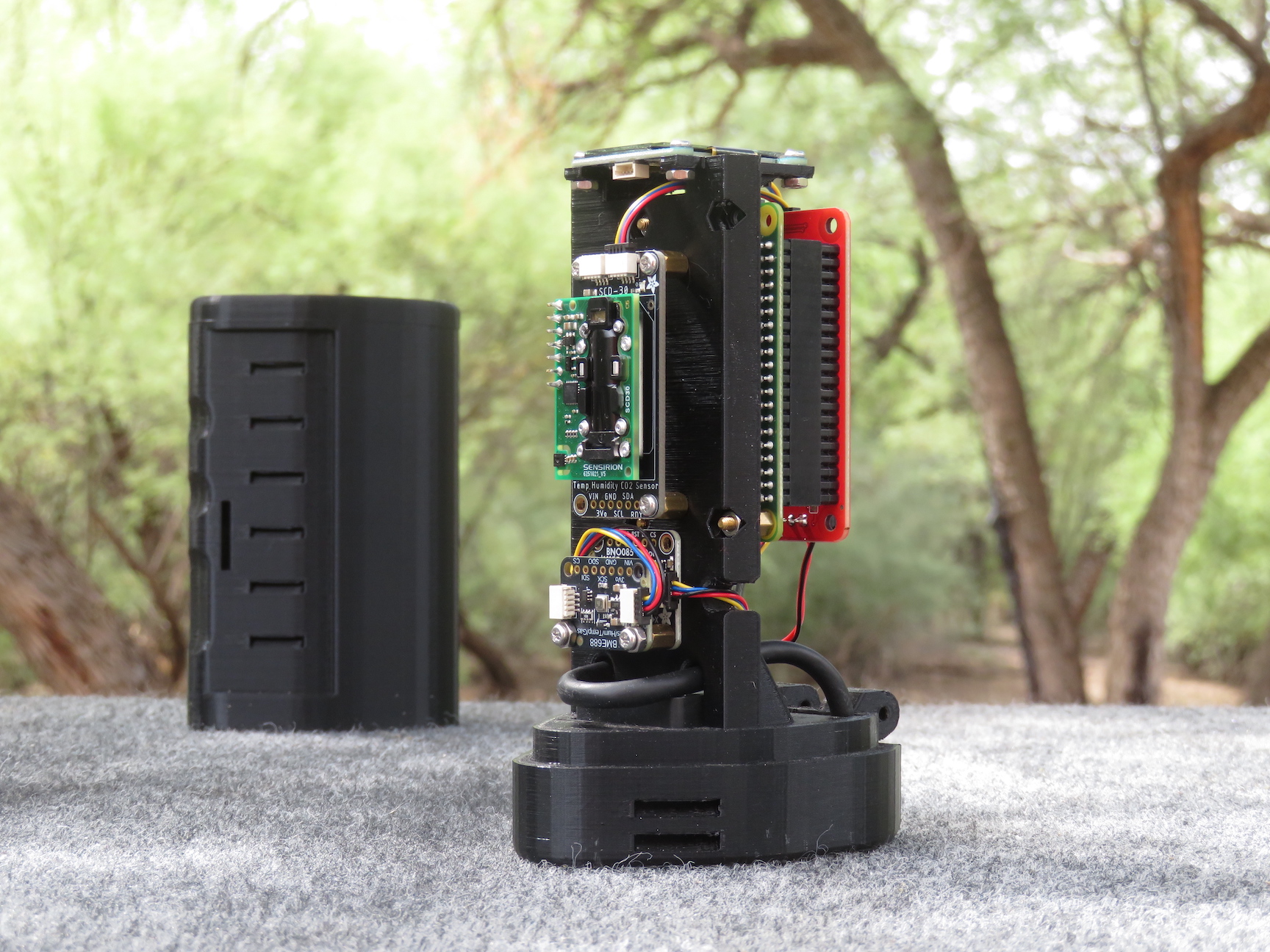
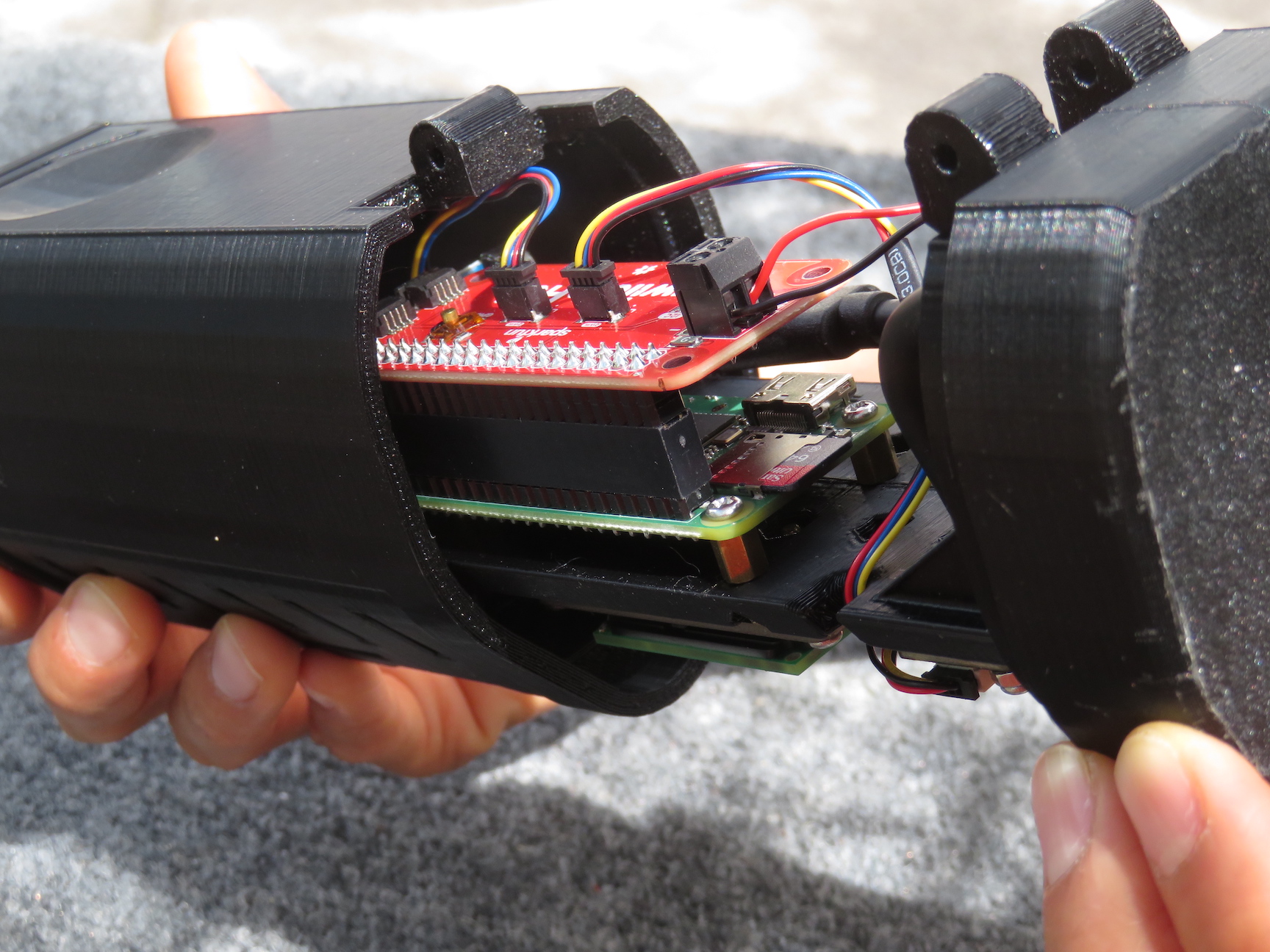
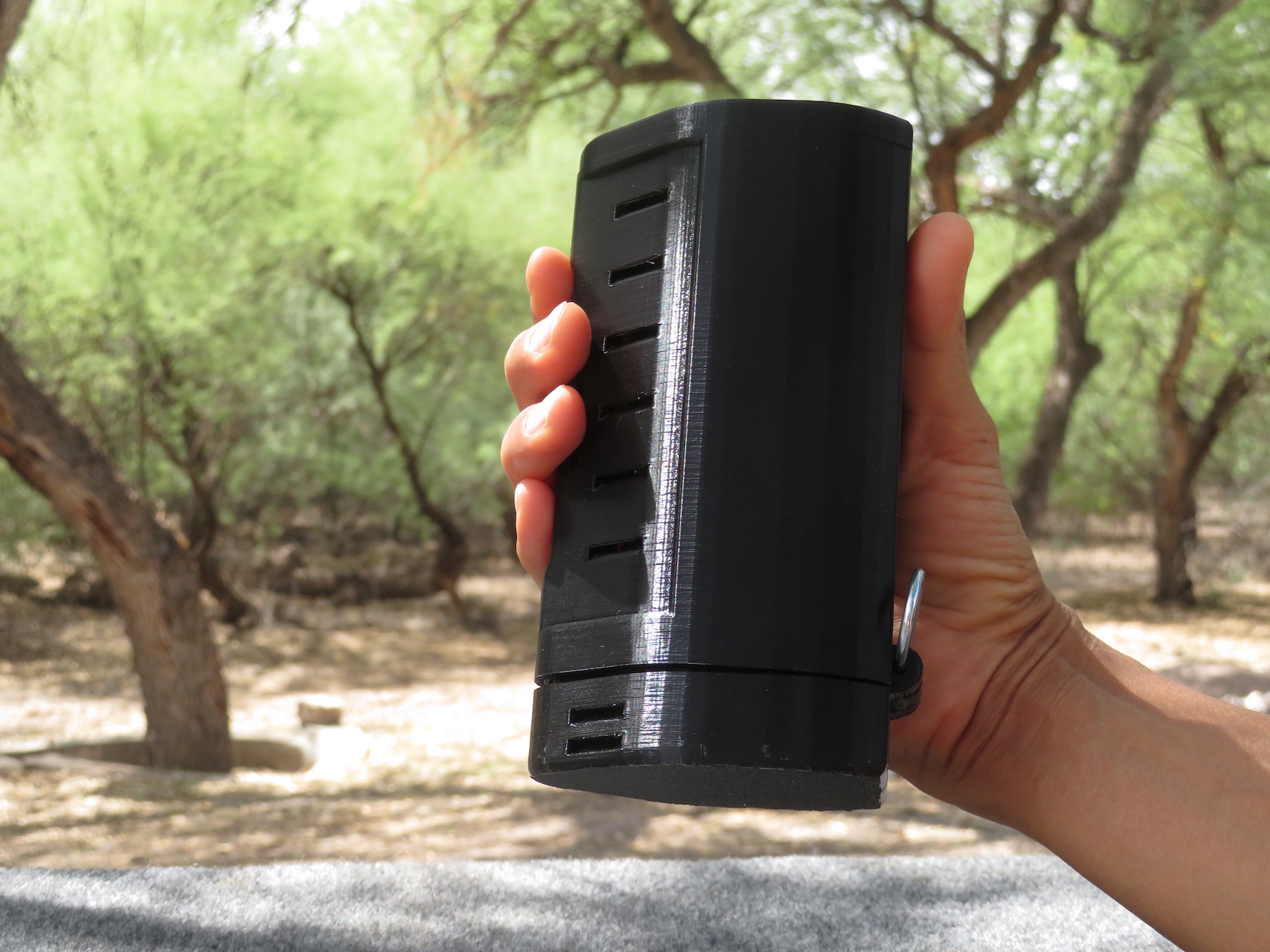
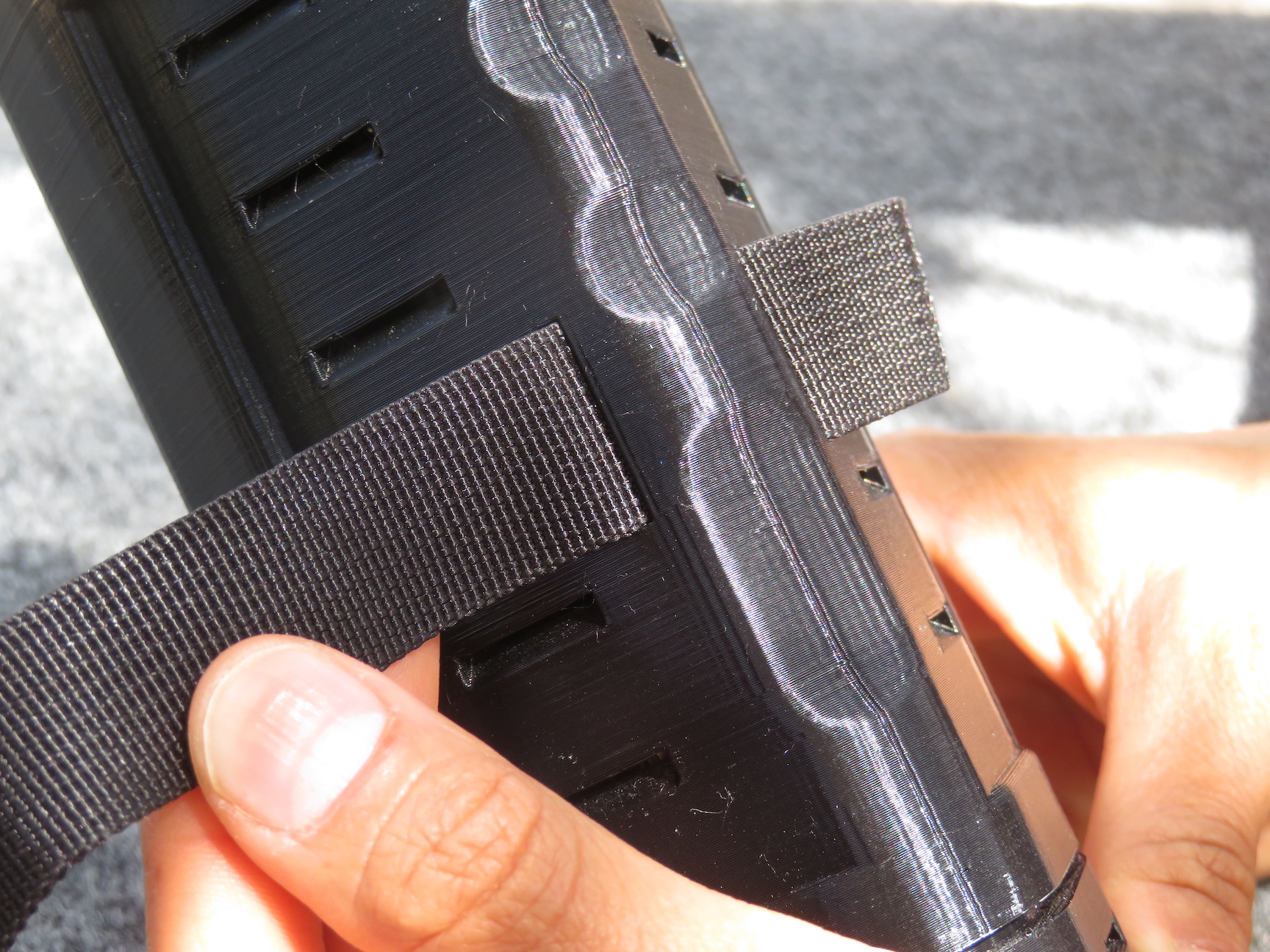
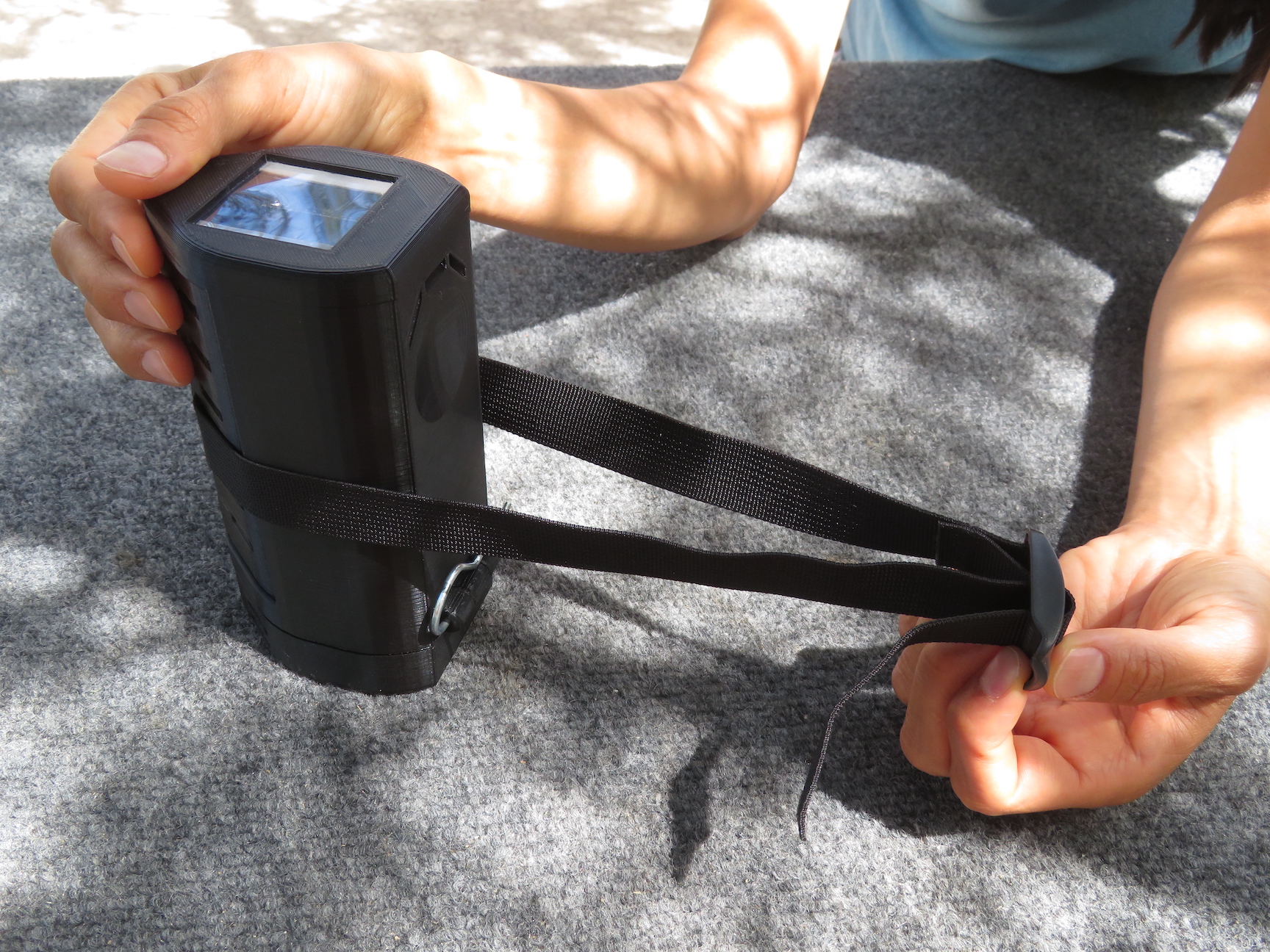
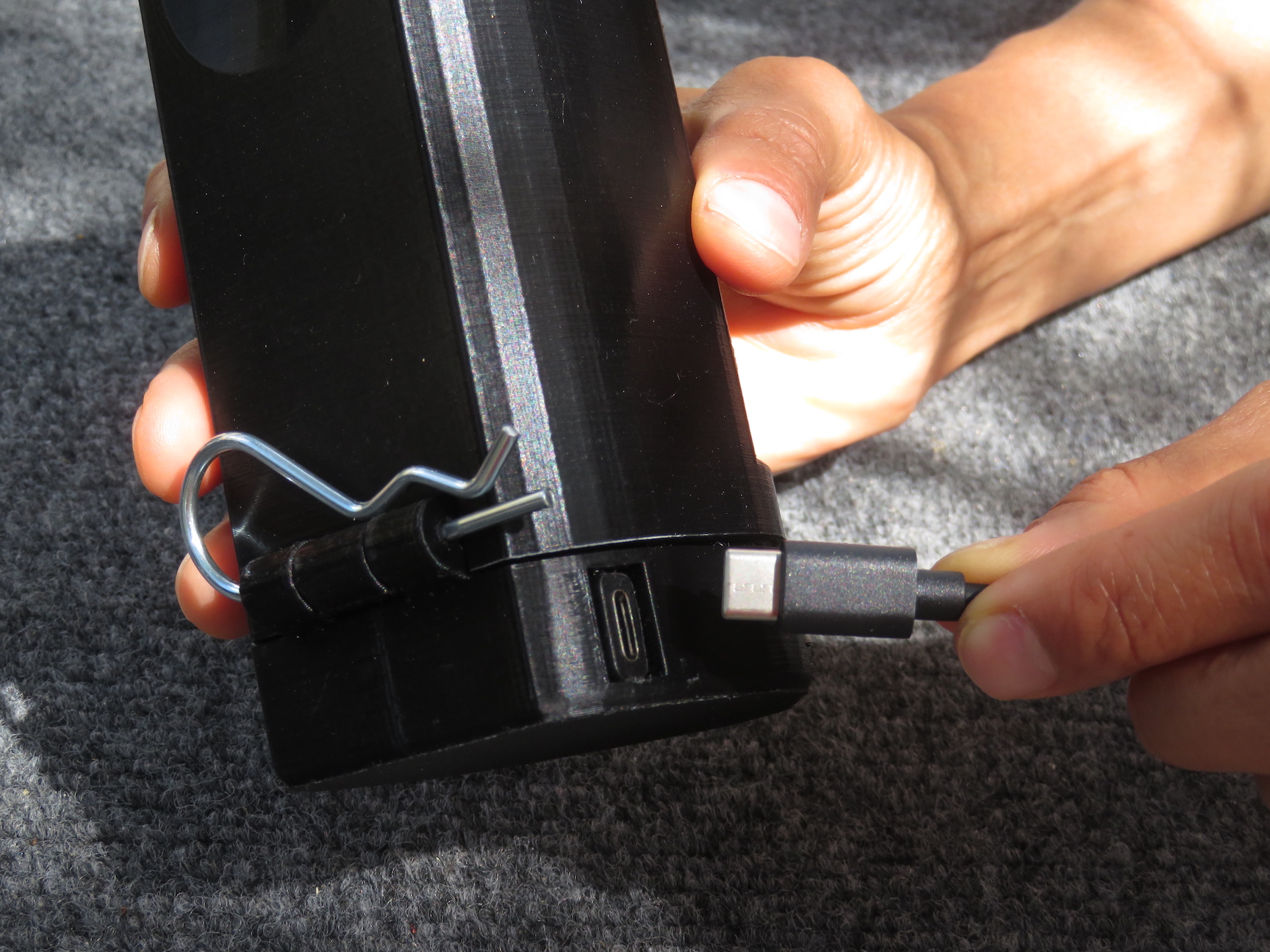
This 3D printed case is shown as an example. Contact us to learn more.